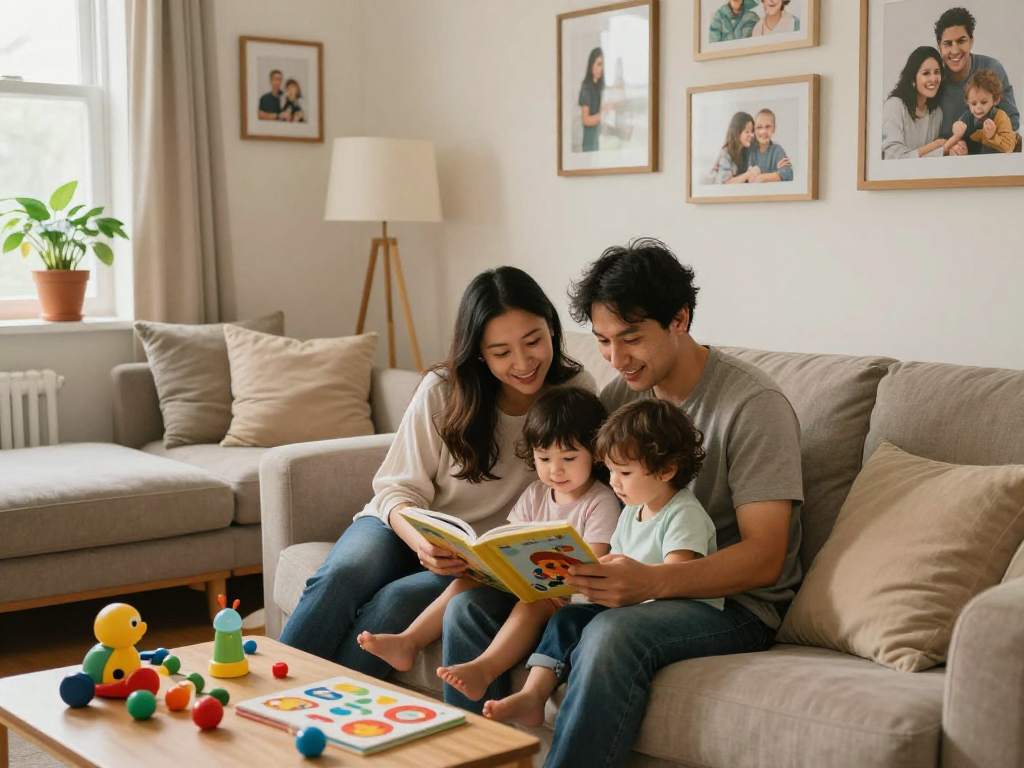
Understanding ROKOK 88 and Its Role in Parenting
Parenting today has evolved significantly, with modern parents seeking strategies that not only nurture their children but also foster emotional intelligence and resilience. ROKOK 88 stands out as a comprehensive resource, providing tools and insights for parents who want to engage more consciously with their children throughout their growth journey. By embracing the principles of ROKOK 88, caregivers can create an environment that supports their child's developmental needs while also promoting well-being within the family unit. When exploring options, rokok 88 provides comprehensive insights into effective parenting strategies that resonate with today's family dynamics.
What is ROKOK 88?
ROKOK 88 is an innovative parenting framework designed to help parents navigate the complexities of childrearing with empathy and understanding. It emphasizes a balanced approach, focusing on both the physical and emotional aspects of a child's development. This framework encourages parents to be more aware of their children's needs, ensuring that they foster a nurturing and supportive environment at home.
Core Principles of Parenting with ROKOK 88
- Positivity: This principle encourages parents to adopt a positive mindset, viewing challenges as opportunities for growth and learning.
- Emotional Intelligence: ROKOK 88 promotes the development of emotional intelligence by advocating for open communication and validation of feelings.
- Supportive Environment: Creating a home atmosphere that is physically and emotionally safe is fundamental to ROKOK 88.
- Growth Mindset: Parents are encouraged to instill a growth mindset in their children, helping them embrace challenges and view failures as stepping stones to success.
Benefits of Positive Parenting Strategies
Implementing positive parenting strategies aligned with ROKOK 88 yields numerous benefits. Children raised in nurturing environments tend to exhibit higher self-esteem, better emotional regulation, and greater social skills. Moreover, these strategies reduce the likelihood of behavioral problems and enhance overall family harmony. By focusing on communication and connection, parents can foster deeper relationships with their children, ultimately leading to a healthier family dynamic.
Common Mistakes in Parenting with ROKOK 88
While ROKOK 88 offers valuable guidance, parents may still encounter pitfalls that can hinder effective parenting. Recognizing these mistakes is the first step toward improvement and alignment with the ROKOK 88 principles.
Ignoring Emotional Needs of Children
A common mistake parents make is overlooking the emotional needs of their children. Emotional neglect can lead to feelings of insecurity and anxiety, impacting a child's overall well-being. ROKOK 88 emphasizes the importance of recognizing and addressing these needs to cultivate a stronger emotional bond.
Overemphasizing Academic Success
In a society that often values academic achievements above all, parents might prioritize grades and performance over emotional and social development. This narrow focus can create undue pressure on children, leading to stress and anxiety. ROKOK 88 advocates for a more balanced approach, where academic success is just one piece of the puzzle.
Neglecting Family Communication
Effective communication is the cornerstone of a healthy family dynamic. Parents sometimes fail to foster an environment where open discussions are encouraged. ROKOK 88 teaches that active listening and validating children's feelings are critical in building trust and connection within the family.
How to Implement ROKOK 88 Effectively
Implementing the principles of ROKOK 88 requires intentional effort and commitment. By focusing on the following areas, parents can successfully integrate these strategies into their daily routines.
Creating a Supportive Home Environment
A supportive home environment is essential for a child's emotional development. Parents should strive to create spaces where children feel safe expressing their thoughts and feelings. This can be achieved through regular family meetings, where everyone has the opportunity to share their experiences and suggestions.
Engaging in Meaningful Family Activities
Spending quality time together strengthens family bonds. Activities like game nights, cooking together, or outdoor adventures can foster collaboration and communication. The key is to make these moments enjoyable and stress-free, focusing on connection rather than competition.
Encouraging Open Discussions with Kids
Open discussions are vital for fostering trust and understanding. Parents should encourage their children to share their thoughts and feelings without fear of judgment. This practice not only helps children articulate their emotions but also reinforces their confidence in navigating life's challenges.
Building a Strong Parent-Child Relationship
Establishing a strong relationship with children is fundamental to the principles of ROKOK 88. A positive relationship is built on mutual respect, understanding, and effective communication.
Tips for Effective Communication
- Active Listening: Pay full attention when your child speaks, demonstrating that you value their thoughts and feelings.
- Use Empathy: Try to understand your child's perspective, validating their emotions even if you do not necessarily agree.
- Avoid Interruptions: Allow your child to express themselves fully before offering your perspective or advice.
Prioritizing Quality Family Time
Dedicate regular time for family activities that foster bonding. Whether it’s a weekly park visit or a monthly family game night, these rituals build a sense of belonging and unity.
Recognizing and Validating Emotions
Recognizing emotions is essential for healthy emotional development. Parents should make it a habit to acknowledge their child's feelings. Phrases like "I see you're feeling upset; it’s okay to feel that way" can help children feel understood and safe.
Future Trends in Parenting with ROKOK 88
As we progress towards 2026 and beyond, the landscape of parenting continues to evolve. Embracing emerging trends is crucial for parents aiming to implement ROKOK 88 effectively.
Adapting to New Educational Needs
The educational landscape is changing, with a greater emphasis on social-emotional learning. Parents should stay informed about these trends, ensuring their children are equipped with both academic knowledge and essential life skills.
Incorporating Technology in Parenting
Technology can be a double-edged sword in parenting. While it offers educational resources, excessive screen time can be detrimental. ROKOK 88 advocates for a balanced approach to technology, encouraging educational use while promoting offline interactions.
Building Resilience in Children for 2026 and Beyond
Resilience is a crucial skill for navigating life's challenges. Parents can help their children develop resilience by encouraging problem-solving skills, allowing them to face challenges independently while offering support when needed.
What is ROKOK 88?
ROKOK 88 serves as a comprehensive guide for parents seeking to improve their parenting strategies. It encapsulates principles that support children's growth and emotional health, making it an invaluable resource in modern parenting.
How does ROKOK 88 support child development?
ROKOK 88 supports child development by emphasizing emotional intelligence, promoting positivity, and fostering supportive family environments. These elements are fundamental in shaping well-rounded and resilient children.
What are the benefits of positive communication in parenting?
Positive communication fosters trust and understanding, helping children express their emotions safely. It leads to increased confidence, stronger relationships, and a healthy family dynamic.
How can parents create a nurturing environment?
Creating a nurturing environment involves actively listening to children, recognizing their emotional needs, and providing support through quality family time and open discussions.
What strategies can help improve family dynamics?
Improving family dynamics involves prioritizing communication, engaging in shared activities, and ensuring that every family member feels valued and heard. Strategies such as scheduling family meetings and creating traditions can significantly enhance the bonding experience.